

There are stereotypes that form around popular destinations across the world. In the case of Kumarakom Backwaters, it is the houseboat tour. Most travellers arrive each year with photographs already imagined in their minds—a slow cruise across the vast expanse of Vembanad Lake, coconut palms mirrored in still waters, and an evening spent watching the sun disappear behind the horizon.It is, without question, one of Kerala's most iconic travel experiences, and for many visitors, a houseboat cruise becomes the highlight of their trip.
Yet, like many first impressions, it tells only part of the story. Kumarakom is far more than a beautiful landscape viewed from the deck of a boat. It is a living, breathing ecosystem where water is not merely scenery but the lifeline that connects homes, livelihoods, traditions, and entire communities. Here, mornings begin long before most visitors awaken. Narrow canals serve as neighbourhood streets, fishermen read the rhythms of the lake as carefully as others read maps, and family recipes are passed down through generations with the same care as treasured heirlooms.
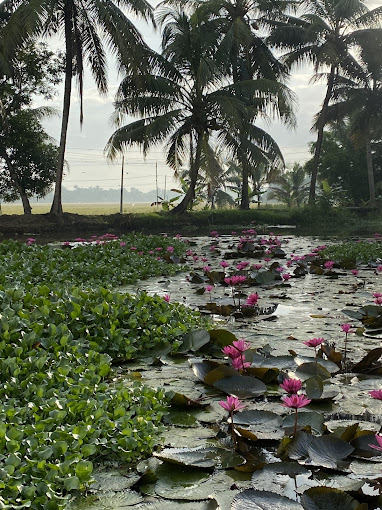
To truly experience the Kerala backwaters, you have to explore beyond the houseboat and into the everyday life that unfolds along its shores. That is where the soul of Kumarakom reveals itself, and where some of the most authentic experiences in Kumarakom quietly await.
The soul of Kumarakom reveals itself not in its grandest views, but in its quietest moments. It reveals itself in narrow canals that a houseboat can never enter. In conversations with people whose lives have always moved with the rhythms of the lake. If you wish to experience Kumarakom beyond the familiar postcard, here are fifteen ways to discover its quieter, richer story.
Discover the Backwaters differently:
1. Explore hidden canals by traditional canoes
There is a remarkable difference between travelling through a landscape and becoming part of it.
Houseboats move gracefully across the open waters of Vembanad Lake, but traditional canoes slip into places that larger vessels simply cannot reach. They enter narrow canals shaded by coconut palms, glide past village homes built almost at the water's edge, and travel waterways that have served as neighbourhood roads for generations.
At this scale, the backwaters stop feeling like a tourist attraction and begin to feel like someone's everyday world.
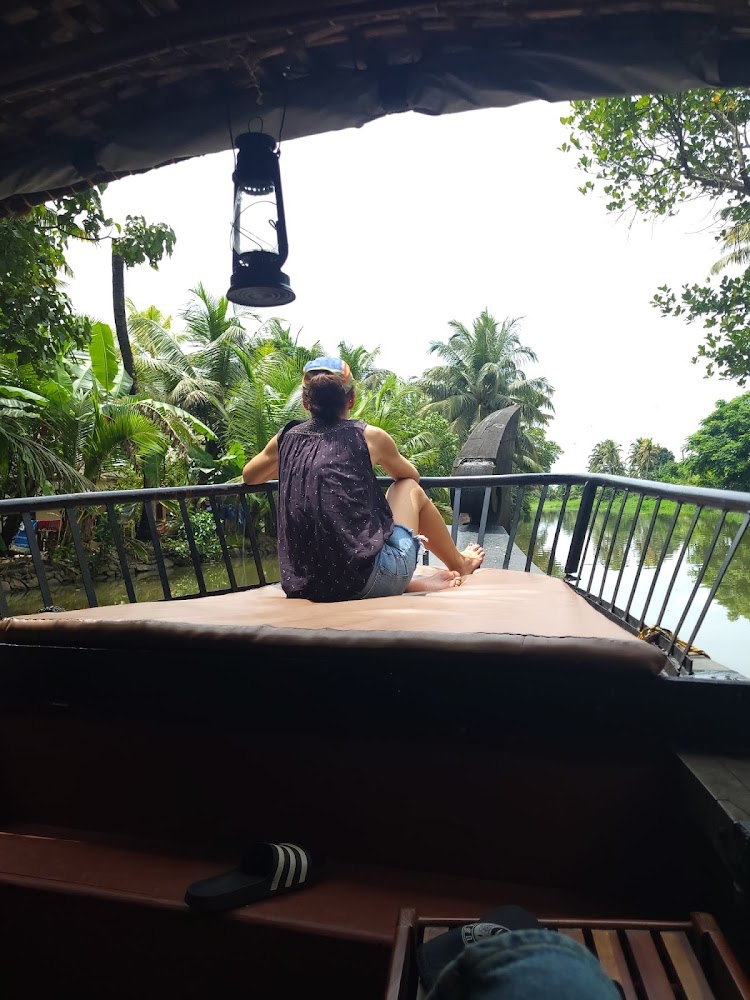
Children wave while on their way to school in narrow boats. Ducks paddle alongside the canoe. Elderly residents sit on shaded steps watching the morning unfold. A woman washes vegetables at the edge of the canal while another tends to flowering plants growing beside her home.
You start to feel that you are quietly invited to witness the rhythm of local life unfolding in front of you. It is in these moments that Kumarakom becomes less about sightseeing and more about understanding.
2. Watch sunrise on a quiet canal
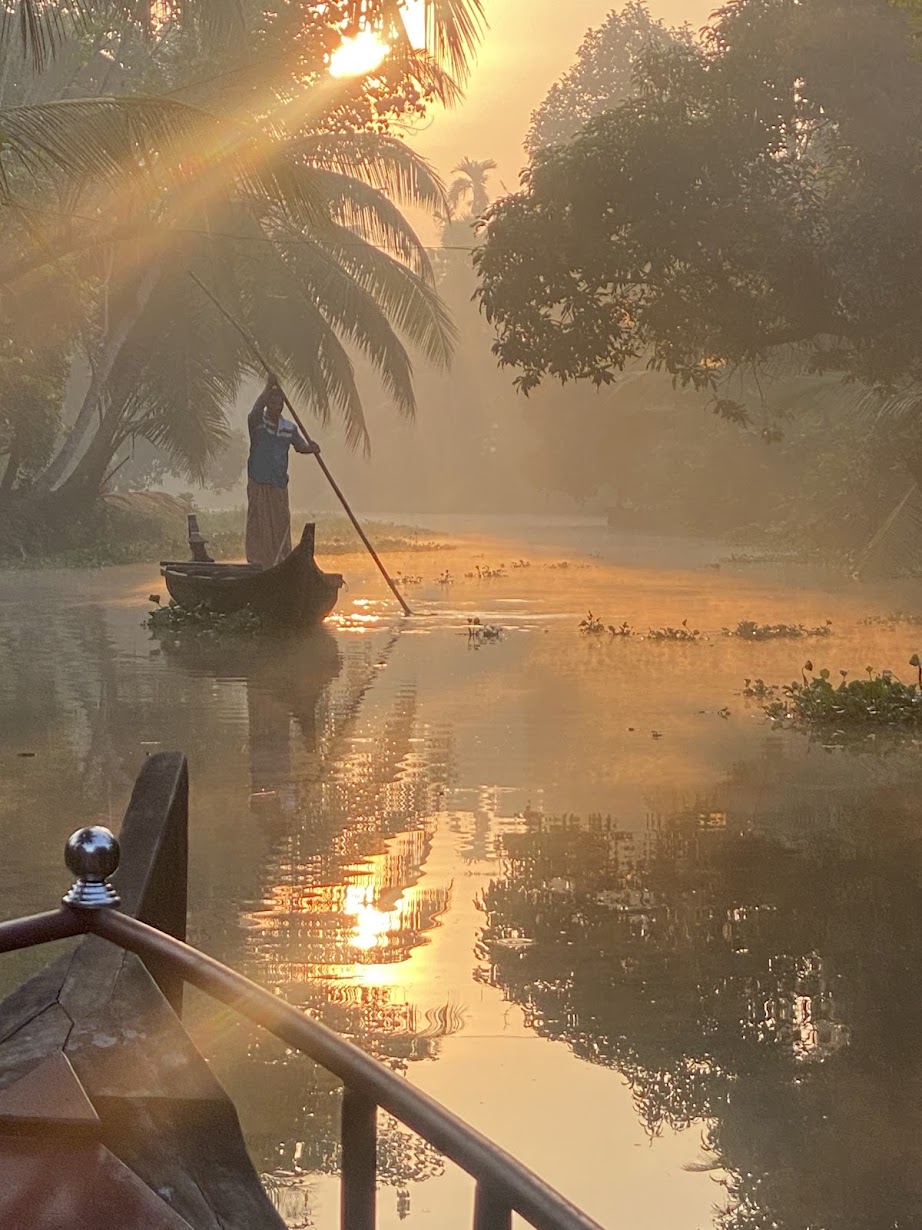
Every destination has a moment when it reveals its truest self, before the crowds arrive and before the rhythms of the day begin to shape what visitors see. In Kumarakom, that moment belongs to the hour before sunrise, when the backwaters awaken quietly and life unfolds as it always has, untouched by performance or spectacle.
The waterfront awakens gradually. The darkness softens into shades of blue before the first hints of gold begin to spread across the water. Mist rises gently from the surface while distant silhouettes of fishing boats emerge one by one.
Long before visitors begin their day, fishermen are already reading the winds, casting their nets, and preparing for hours of patient work. Birds leave their nests in search of breakfast, filling the silence with calls that become the soundtrack of dawn. All these morning activities
There is nothing theatrical about these moments. Their beauty lies not in demanding attention, but in quietly revealing that the true character of Kumarakom is found in the ordinary rituals that have sustained its people for centuries.
3. Slow down and simply observe
Modern travel often involves tight itinerary and ticking off the bucket lists but on the other hand. Slow travel encourages attention.
In Kumarakom, the smallest moments frequently become the ones people remember long after they return home, - it might be the moment when a dragonfly is hovering above still water, or, the perfect reflection of coconut palms disturbed only by a passing canoe, or, ripples expanding across the canal after a kingfisher dives for its morning catch.
When you look back on your canoe cruise, it is the little things you noticed that leave your heart feeling full. Perhaps this is what luxury truly means—not constant activity, but having enough time to notice the world without feeling compelled to move on to the next attraction. Sometimes, the most meaningful experience in Kumarakom is simply allowing the landscape to unfold at its own pace.
Meet the people who call the Backwaters home:
4. Visit local homes in the nearby villages
Traditional homes in Kumarakom have evolved over generations in response to water, climate, and community life. Wide courtyards invite conversations with neighbours and the kitchen gardens sustain the families.
A visit to a local home is about witnessing the quiet routines that transform a house into a home. You are welcomed with warm, freshly prepared tea, and conversations that wander naturally from family histories to farming seasons. Meals are shared as sharing the dinner table remains one of Kerala's oldest expressions of welcome.
You arrive as a visitor, but you often leave feeling like a familiar guest.
5. Meet the fishermen of Vembanad
Every fisherman develops an intimate understanding of the lake—its changing currents, seasonal fish movements, weather patterns, and subtle signals that outsiders rarely notice. Their relationship with Vembanad is built not on conquest but on observation.
When you listen to their stories, you get a perspective no travel brochure can provide. The lake becomes more than beautiful scenery. It becomes a provider, a teacher, and occasionally, a force that demands humility.
6. Discover the many lives of the coconut tree
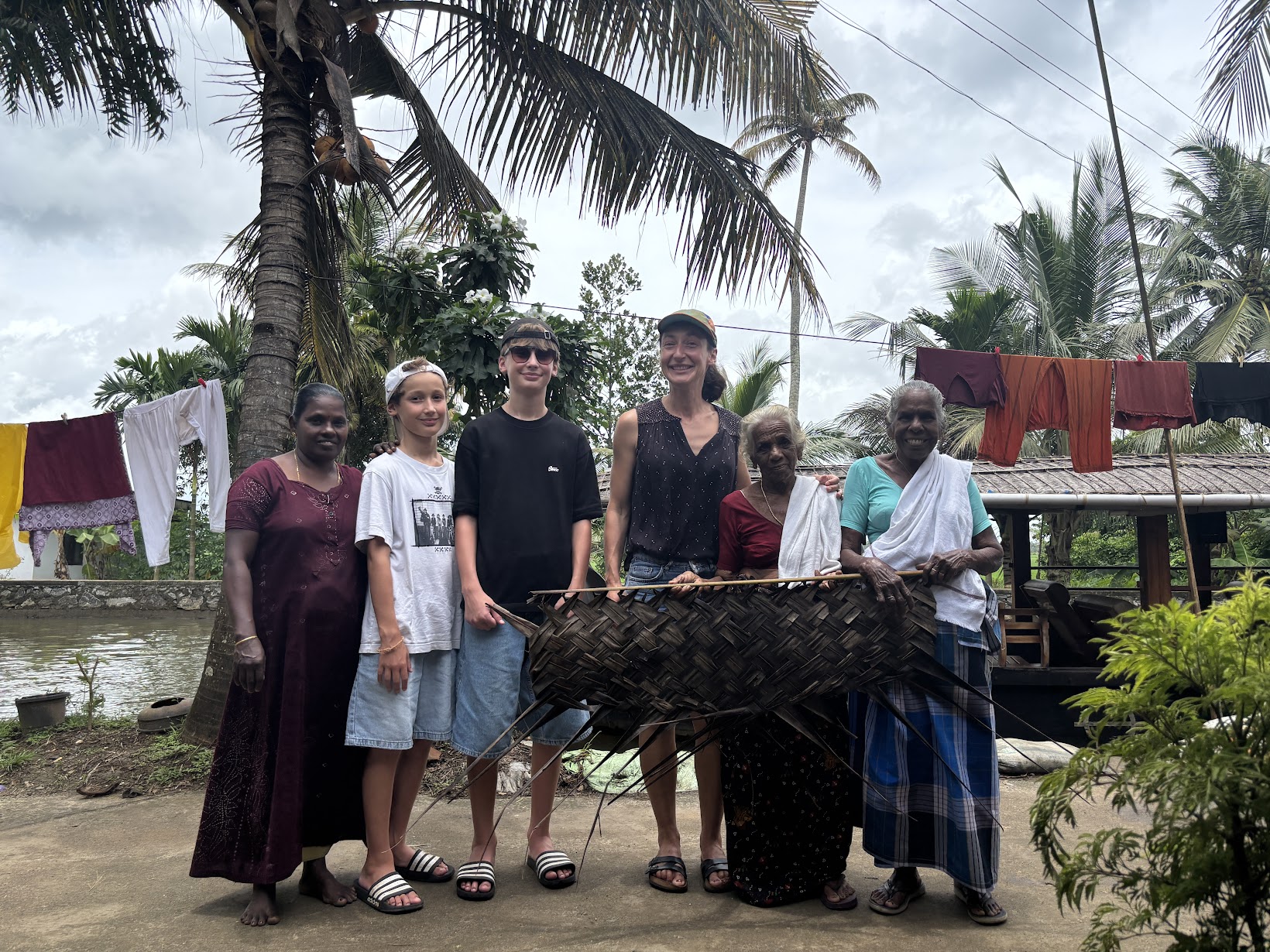
Few trees embody sustainability as completely as the coconut palm. In Kumarakom, it is far more than a crop; it is woven into everyday life. The husk becomes coir for ropes and mats, the kernel is transformed into food, milk, and oil, the leaves provide roofing and handicrafts, and even the shell finds new life as utensils and souvenirs. Long before sustainability became a global conversation, local communities had already embraced a way of living where almost nothing was wasted. Here, the coconut tree is not just a natural resource—it is an ecosystem that sustains livelihoods.
7. Understand below sea level farming
One of Kumarakom's most remarkable stories lies beyond its backwaters, in the paddy fields that stretch below sea level along Vembanad Lake. Cultivating these lands demands far more than fertile soil; it is sustained by generations of engineering, collective effort, and an intimate understanding of water. Protective bunds hold back the lake, while carefully regulated water levels determine the success of every harvest. These landscapes are not simply cultivated—they are negotiated, season after season, through a relationship with nature built on patience, resilience, and respect.
Taste the flavours of Kumarakom:
8. Begin your morning with a traditional Kerala Breakfast
Breakfast in Kumarakom is wonderfully uncomplicated.
You can choose from Soft appams paired with vegetable stew, Puttu layered with freshly grated coconut and served alongside kadala curry, Idiyappams and egg curries, Kerala Dosas, seasonal fruits, banana chips, homemade chutneys, and strong tea that somehow tastes better when enjoyed beside the water.
Kumarakom home kitchens and eateries do not follow culinary trends, instead they cook with the freshly available local ingredients and practical wisdom.
Much like the landscape itself, this cuisine reminds us that the most enduring forms of satisfaction often arise from simplicity that has been deeply understood rather than elaborately constructed.
9. Taste the seasons
Kerala's cuisine changes with the landscape and the seasons that shape it.
Summer brings jackfruit in countless forms, while freshly harvested tapioca finds its place beside spicy fish curries.
With the monsoon, Pearl spot (Karimeen), prawns, and countless other varieties of fishes arrive from nearby waters, carrying the unmistakable freshness of the backwaters. The kitchens turn to recipes enriched with pepper, ginger, turmeric, and medicinal herbs that generations have trusted for both warmth and restoration.
Winter welcomes an abundance of fresh vegetables, leafy greens, and citrus fruits, bringing lighter yet deeply nourishing meals to the table. Winter is also a time to relish duck curries and beef roasts along with pork fries.
Seasonal eating here is not a conscious lifestyle choice or a passing culinary trend. It has always been woven into everyday life, where every meal reflects the quiet rhythm of the weather, the harvest, and the generosity of what the land and waters provide.
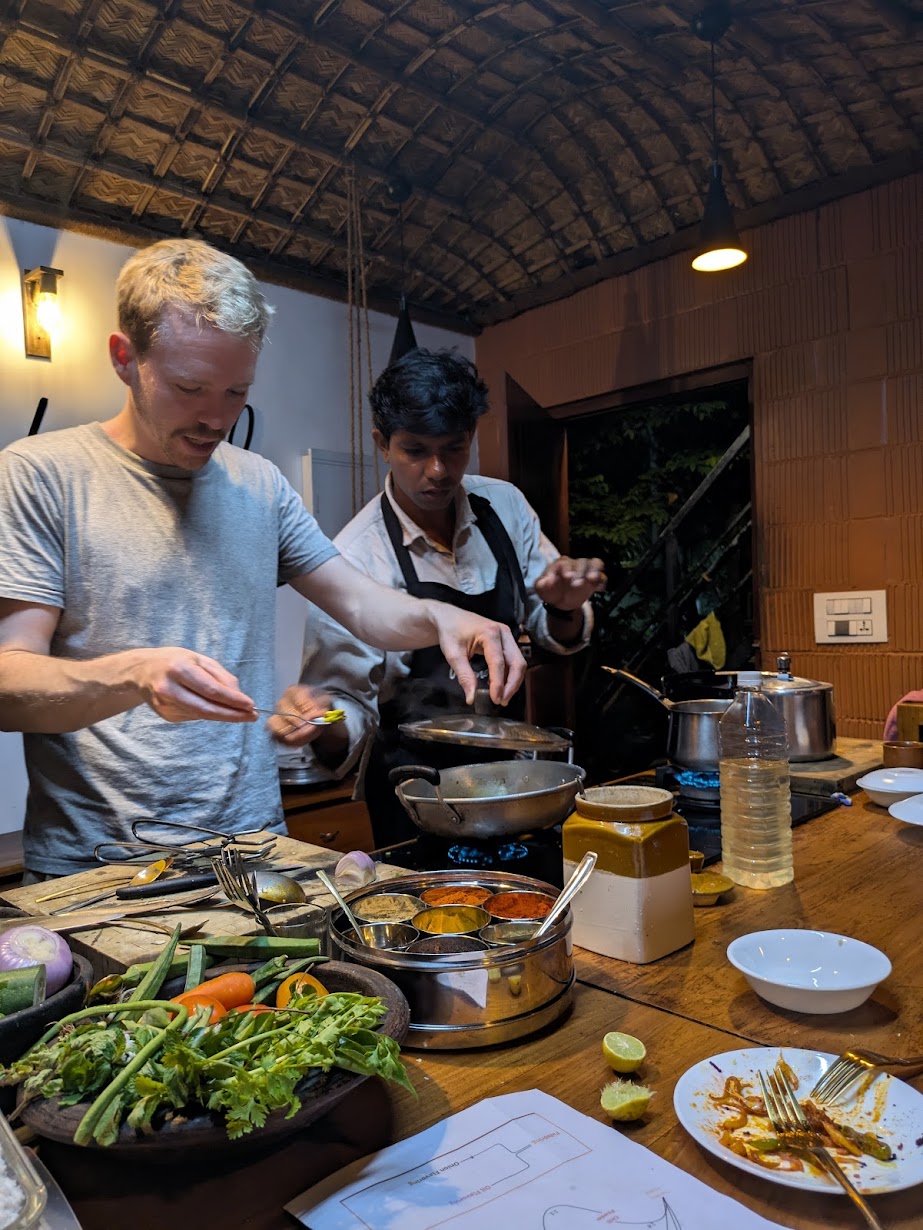
10. Learn through a Kerala cooking experience
There is something profoundly different about eating a meal and learning how it came to be.
Cooking alongside local hosts reveals that Kerala cuisine is built not on complicated recipes but on intuition developed over years of practice. You learn how spices are layered rather than simply added, why tempering transforms flavours, and how fresh coconut changes texture and aroma depending on its preparation.
More importantly, conversations unfold naturally around the kitchen, the family traditions emerge alongside recipes and stories accompany every ingredient.
By the time the meal reaches the table, you understand that you have learned far more than cooking, because, you have been introduced to a culture.
Experience Kumarakom's extraordinary natural heritage:
11. Visit Kumarakom Bird Sanctuary
The wetlands surrounding Kumarakom create one of Kerala's richest habitats for birdlife.
Walking through the sanctuary is less about ticking species off a checklist and more about observing how delicately balanced these ecosystems truly are. Native birds share these landscapes with migratory visitors that travel thousands of kilometres each year, transforming the wetlands into an international crossroads of wildlife.
12. Go birdwatching beyond the sanctuary
One of Kumarakom's greatest surprises is that birdwatching rarely requires a designated destination.
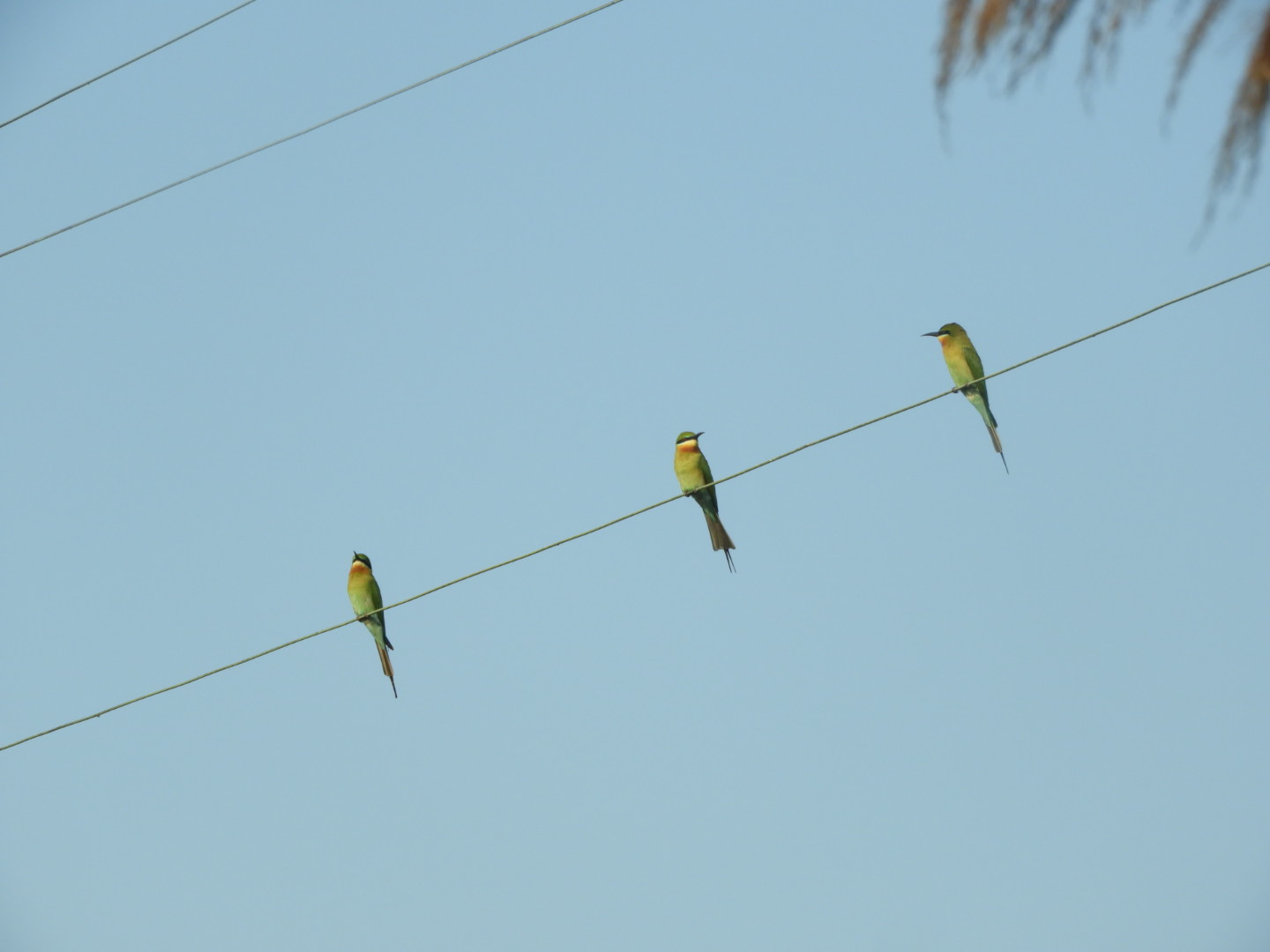
Kingfishers perch on electric wires waiting patiently for their next dive. Purple herons stand motionless among reeds. Darters stretch their wings after emerging from the water. Brahminy kites circle effortlessly overhead while egrets accompany grazing cattle through paddy fields.
Here, birds are not confined to protected spaces. They remain an everyday presence, sharing the same landscape as the people who live beside the backwaters. Some of the most rewarding birdwatching happens not through pursuit, but by slowing your canoe and allowing the landscape to reveal itself at its own unhurried pace.
13. Photograph everyday life
Many travellers arrive in Kumarakom hoping to capture its most beautiful landscapes. Yet, the village has a quiet way of shifting their attention.
Before long, the still waters become only part of the story. Their cameras begin to linger on a fisherman patiently repairing his nets, the reflections that vanish with a passing breeze, a bicycle left against a village bridge, ducks weaving across a narrow canal, or a child going back home in a canoe after school.
None of these moments asks to be noticed, yet each carries a quiet truth about life here. By the time you leave, you realise that the photographs you treasure most are rarely the grand vistas you came looking for, but the fleeting, unguarded moments that could never be staged.
Travel more meaningfully:
14. Choose responsible tourism experiences
Community-based tourism ensures that visitors contribute directly to local livelihoods while experiencing the destination through the people who know it best. Canoe operators, fishermen, home cooks, farmers, and artisans become participants in tourism rather than observers standing outside it.
This results in an experience that feels more personal for visitors and more meaningful for the communities that welcome them.
In a place like Kumarakom, responsible tourism is not measured by what you avoid doing. It is reflected in how thoughtfully you engage with the people, the landscape, and the rhythms of life that make the destination what it is.
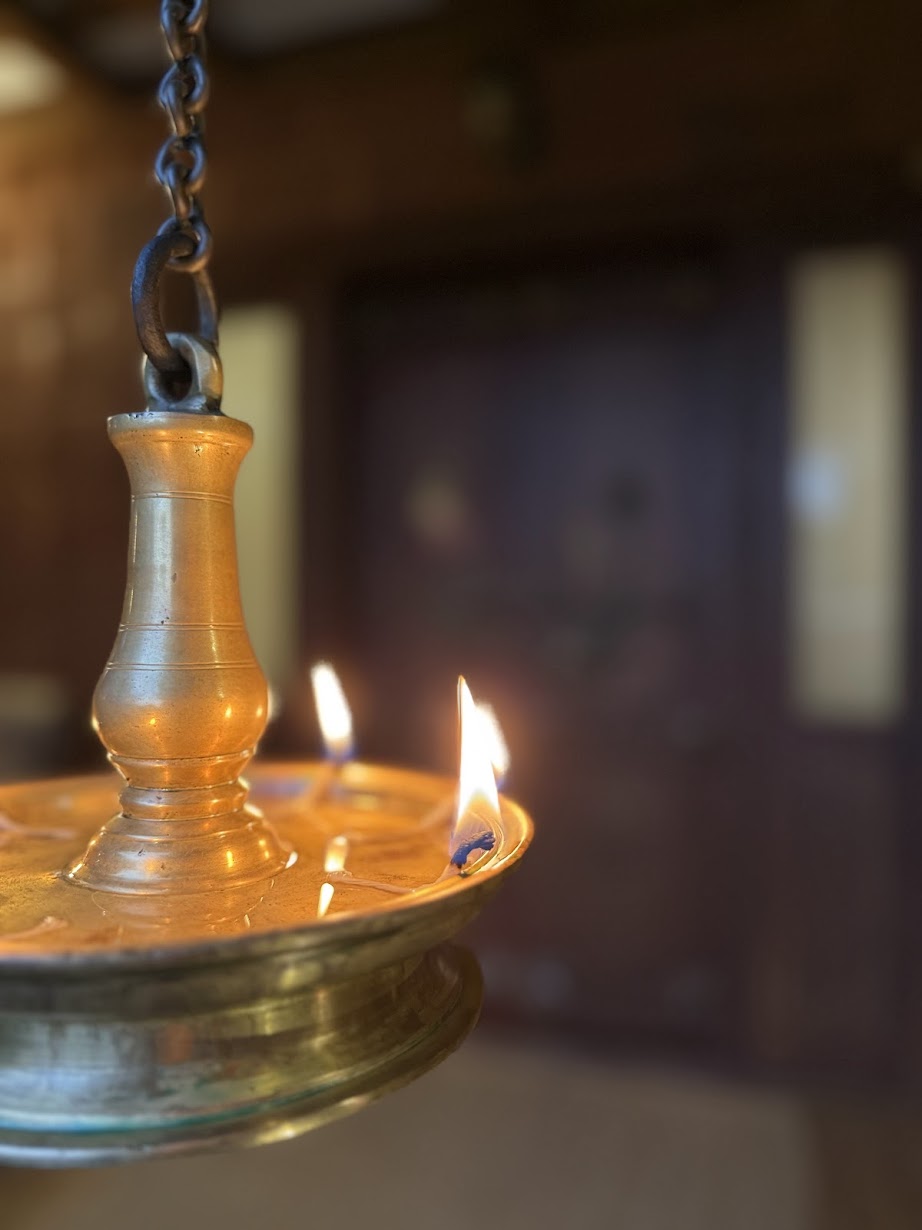
15. Stay somewhere that feels like home
Where you choose to stay shapes far more than your comfort. It quietly influences the way a destination reveals itself to you.
Smaller experiential stays create the space for conversations that are never hurried, meals prepared from local ingredients, and recommendations that emerge from lived experience rather than guidebooks. They often introduce you to people, traditions, and places that remain invisible to most visitors.
Somewhere along the journey, the distance between traveller and destination begins to dissolve. You no longer feel like someone merely passing through and become part of the everyday rhythm of the place, leaving not only with photographs, but with stories that continue to accompany you long after the journey ends.
Kumarakom does not demand to be explored in a hurry. It asks only that you slow down long enough to notice how life unfolds around water. Long after the journey ends, it is rarely the houseboats that remain in memory, but the conversations, the silences, and the ordinary moments that quietly become the stories you carry home.
Practical Information
October to February: Pleasant weather, excellent for canoe rides, village walks, birdwatching, and outdoor exploration.
June to September: The monsoon transforms Kumarakom into its most dramatic and lush self. The rains bring fewer visitors, emerald landscapes, and a wonderfully intimate atmosphere that many seasoned travellers consider the region at its most beautiful.
March to May: Warm days are balanced by peaceful mornings, spectacular sunrises, and quieter waterways.
How Many Days Should You Spend in Kumarakom?A stay of two to three days offers enough time to experience the destination at its intended pace. Begin with a sunrise canoe ride, explore nearby villages, enjoy a traditional cooking experience, spend time birdwatching, and leave room for something increasingly rare in modern travel—the freedom to do absolutely nothing for a while.
Frequently Asked Questions
|
Every destination has its celebrated attractions, and Kumarakom has them too. Yet the place is remembered less for what it asks you to see than for what it quietly teaches you to notice. Its waterways, seasonal kitchens, working landscapes, and unhurried rhythms gradually reshape the way you experience travel itself. Spend enough time here, and Kumarakom ceases to feel like another destination on an itinerary. It becomes a place that changes the pace at which you observe the world, long after the journey has ended.